

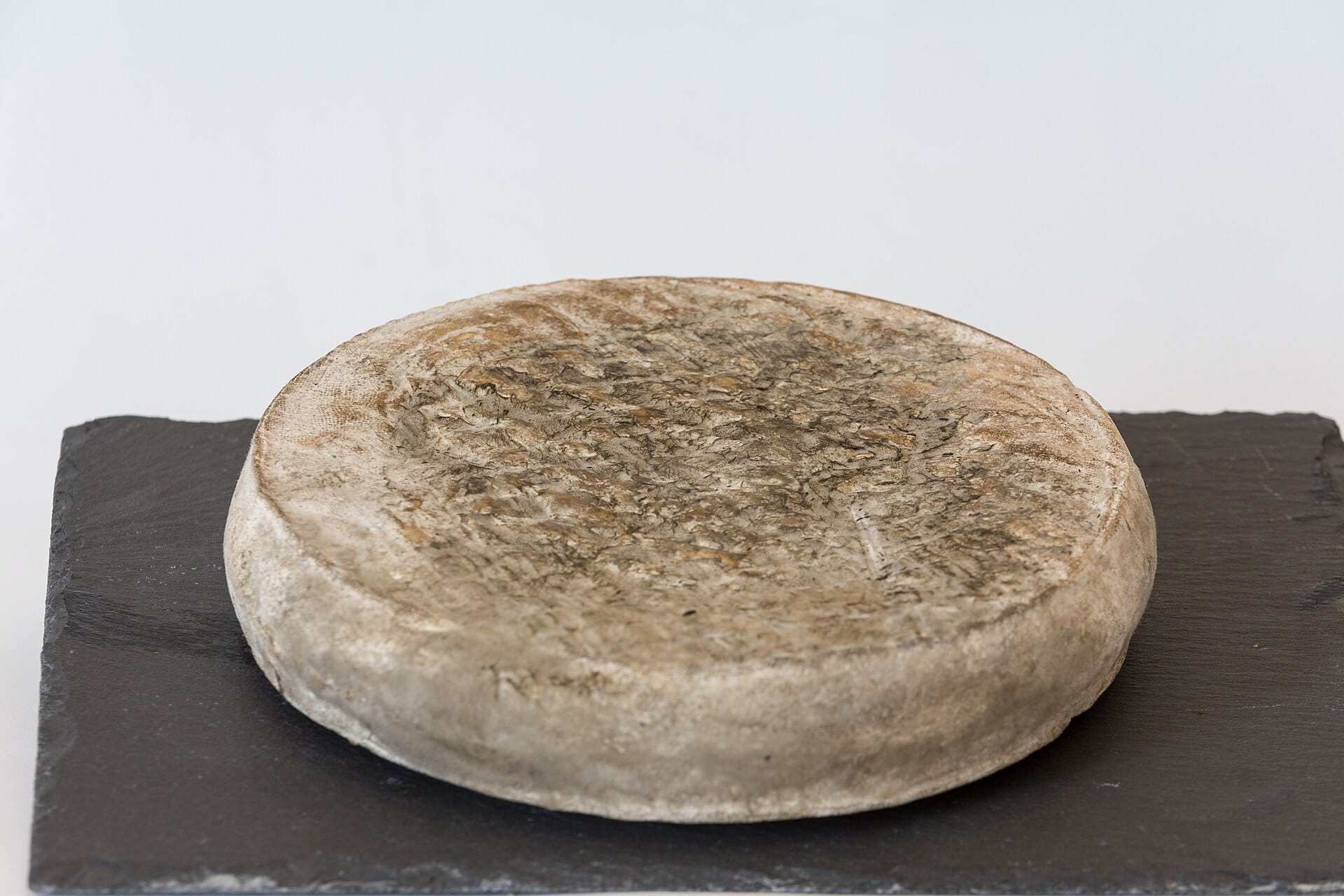
Flavours of Auvergne · by the Vernières team
Saint-Nectaire, the star cheese of the Sancy
A grey, bloomy rind and a supple, nutty paste: Saint-Nectaire was born in our mountains. How it is made, how to recognise a farmhouse cheese and where to buy it near the campsite.
- ✍️ Célia & Christophe
- 🧀 PDO since 1996
- 🐄 Cow's milk
- 🏔️ Made in the Monts Dore
Photo: Pymouss · CC BY-SA 4.0
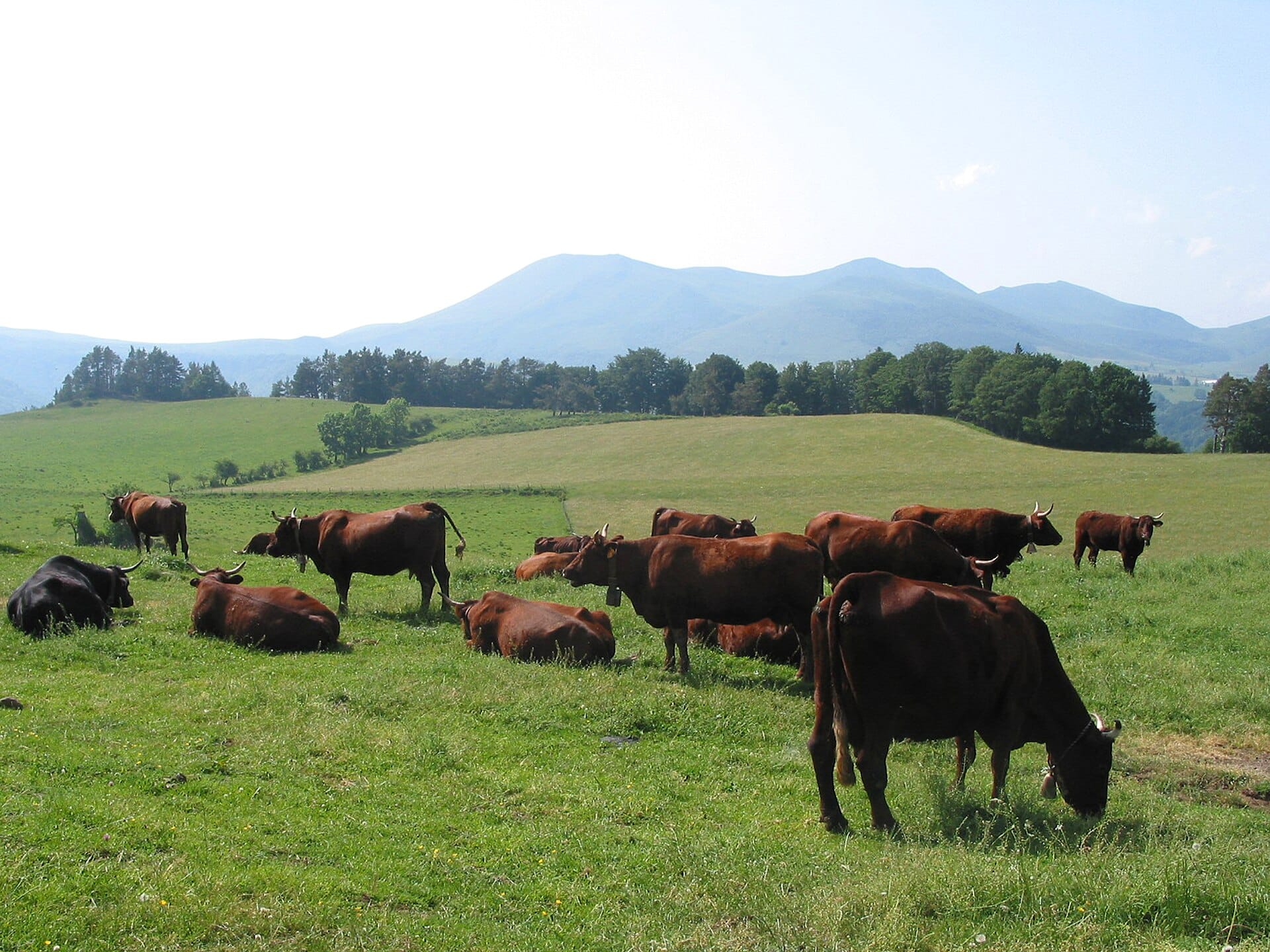
A cheese of the land
A cheese born in the heart of the Sancy
Saint-Nectaire is a cow's milk cheese with a pressed, uncooked paste. Its production area covers the Monts Dore and part of the Cézallier: the Sancy massif is its heart. The cows graze the grass and flowers of the volcanic meadows, which gives the milk all its richness.
Protected by a designation of origin since 1955 for the farmhouse version, then 1963 for the dairy version, it became a PDO in 1996. About 200 farms still make it themselves, making it one of the great farmhouse cheeses of France.
- Its taste: mild, slightly nutty, with notes of cellar and mushroom.
- To taste: take it out of the fridge an hour before serving.
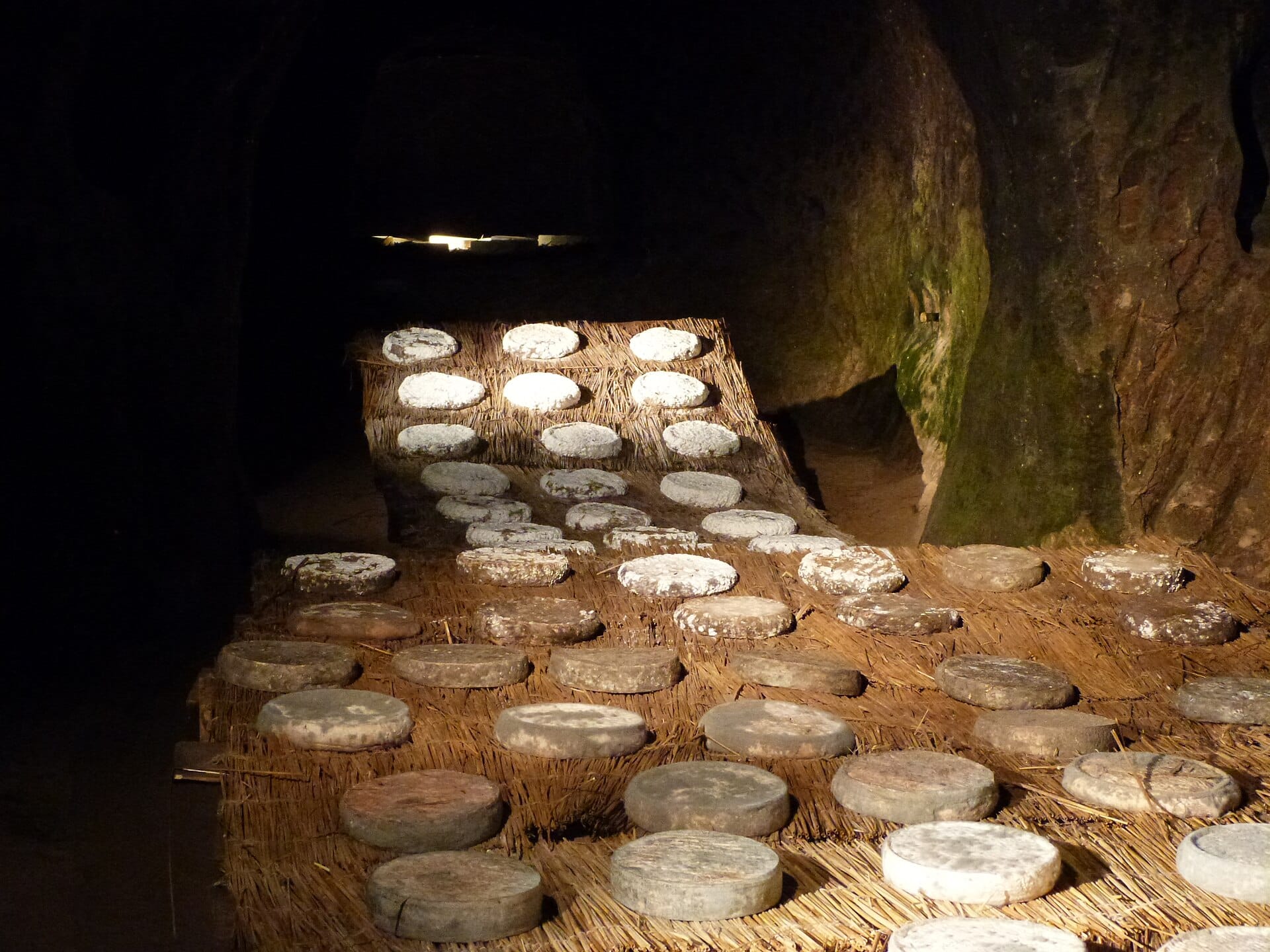
From milk to cellar
How is Saint-Nectaire made?
Rennet is added to the milk to curdle it. The curd is then cut, moulded and pressed, before being salted. On the farms, cheese is made twice a day, just after milking, with the raw milk still warm.
Then comes the decisive stage: maturing, for at least 28 days, in cool, damp cellars. Traditionally laid on rye straw, the cheeses are regularly turned and rubbed. This is where the rind forms and the flavour develops.
- Farmhouse or dairy? the farmhouse cheese carries an oval green plaque, the dairy cheese a square one.
- Farmhouse: made on the farm with the herd's raw milk.
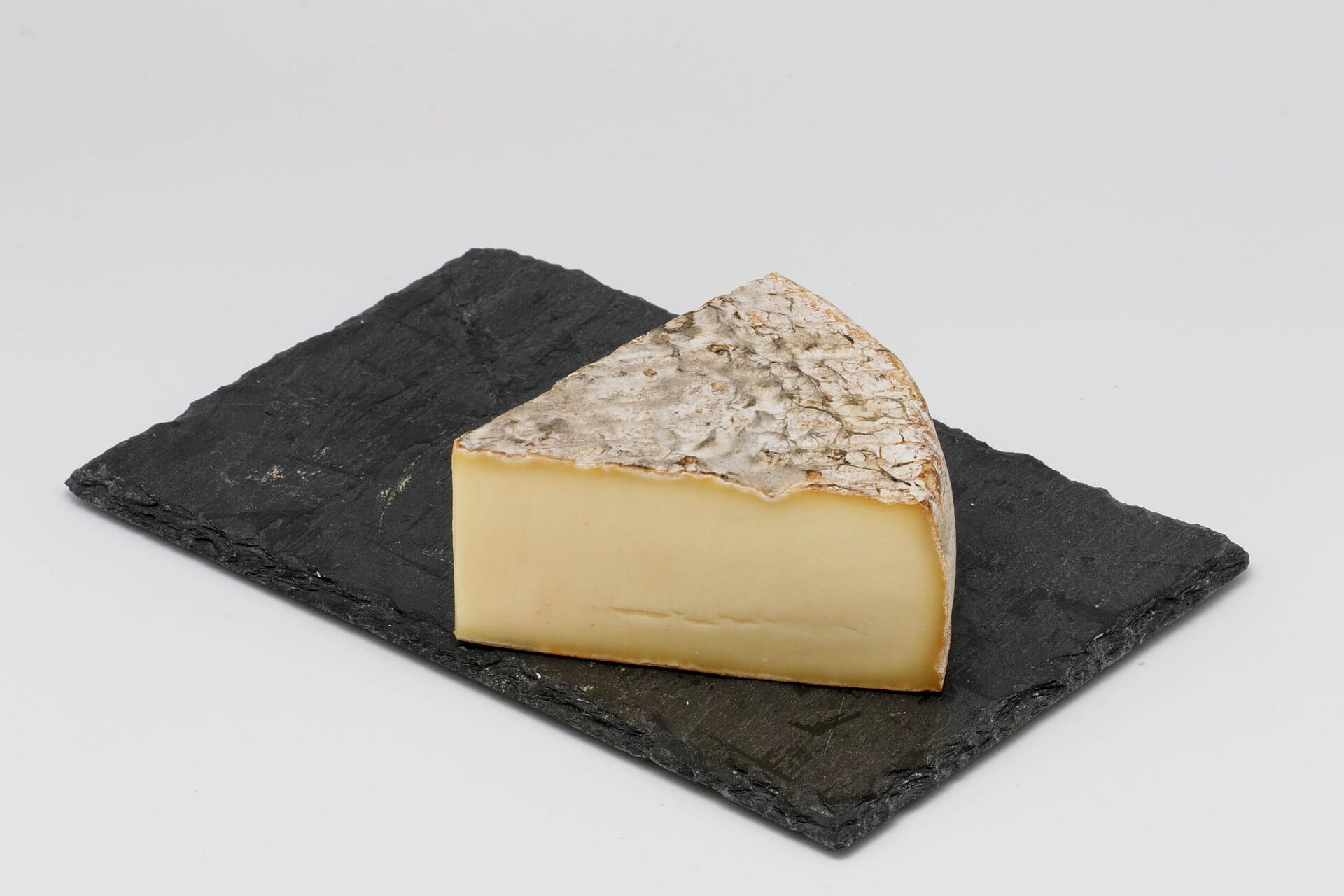
Straight from the producer
Where to buy Saint-Nectaire near the campsite?
The best holiday souvenir is a Saint-Nectaire bought straight from the farm. Many Sancy producers sell their cheeses on site and some show visitors around their maturing cellars: follow the signs for the Route des fromages AOP d’Auvergne (Auvergne PDO cheese route).
In the village of Saint-Nectaire, 40 minutes from the campsite, a cheese house presents how it is made and its history. You will also find it at the cheesemongers of La Bourboule and Le Mont-Dore, and at the markets of the massif.
- For the journey: ask for suitable packaging; it keeps for a few days in a cool place.
- Pair with: country bread and a red Côtes-d’Auvergne wine.
Frequently asked questions
All about Saint-Nectaire
What is the difference between farmhouse and dairy Saint-Nectaire?
The farmhouse cheese is made on the farm with the raw milk of a single herd (oval green plaque). The dairy cheese is produced in a dairy with milk from several farms (square plaque).
Can I visit a farm?
Yes, several Sancy farms open their doors and cellars, especially in summer. Ask at the tourist office or at the campsite reception.
How should I store it?
In the vegetable drawer of the fridge, wrapped in cheese paper, and taken out an hour before eating.
Worth a visit
The village of Saint-Nectaire, beyond the cheese
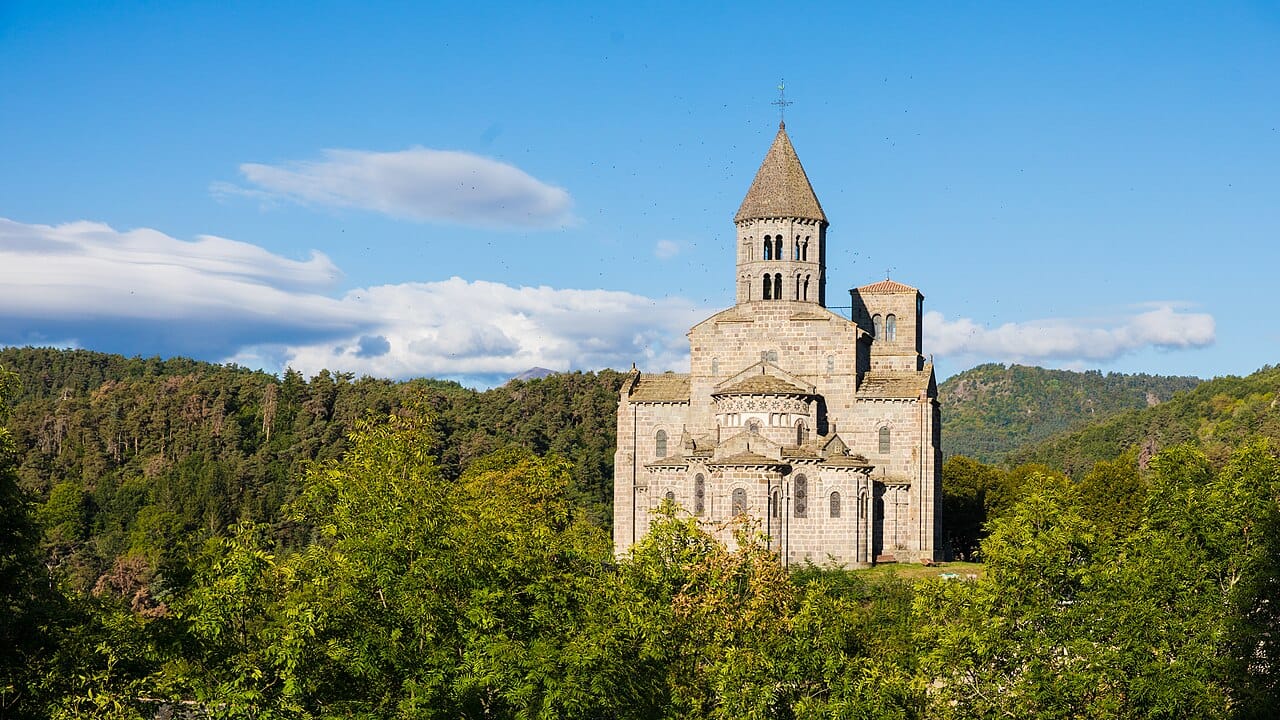
The cheese takes its name from a village in the Sancy, about 40 minutes from the campsite. Saint-Nectaire is worth visiting in its own right:
- The Romanesque church, built in the 12th century on Mont Cornadore, is one of the great Romanesque churches of Auvergne.
- The petrifying fountains, where mineral-rich water gradually covers objects with a layer of limestone.
- The Cornadore caves, ancient baths carved into the rock.
By combining the village, a producing farm and nearby Murol castle, you can put together a great day of discovery.

In the kitchen
Saint-Nectaire on the plate
Saint-Nectaire is first enjoyed on its own, on good country bread. But it also lends itself to cooking: melted on hot toast, slipped into a potato tart, in a walnut salad or on an Auvergne burger. It melts gently and keeps its nutty flavour.
On a cheeseboard, pair it with the other Auvergne PDO cheeses (Cantal, Salers, Fourme d’Ambert, Bleu d’Auvergne) for a complete tour of the region. And for a hearty dish, discover our recipe for truffade.
Key facts
Saint-Nectaire in figures
- 1955: first protection as a designation of origin (farmhouse), extended to dairy cheese in 1963.
- 1996: PDO recognition.
- 28 days: minimum maturing time, in a cool, damp cellar.
- About 200 farms still make it themselves, with their herd's raw milk.
- 2 areas: the Monts Dore, heart of the appellation, and part of the Cézallier.
Frequently asked questions
Saint-Nectaire: a few more questions
How big is a Saint-Nectaire?
The large format weighs about 1.7 kg and measures 21 cm across; there is also a small format of about 600 g. At the cheesemonger, it is often bought by the slice.
Can I eat the rind?
The rind is natural: some people eat it, others prefer to remove it. It is a matter of taste.
How do I take it home after the holidays?
Ask for suitable packaging and keep it cool, in a cool box for the journey. It keeps for a few days in the fridge.
Where can I see maturing cellars?
Several farms on the Auvergne PDO cheese route open their cellars to visitors, especially in summer. The Sancy Tourist Office and the campsite reception will give you the addresses.
Is Saint-Nectaire always made with raw milk?
The farmhouse version is: it is made with the herd's raw milk, just after milking. The dairy version may be made with pasteurised milk.
The Sancy is also for tasting
From Camping Les Vernières, go and meet the farms and markets of the massif.
Read also: Truffade · Murol and the church of Saint-Nectaire · Things to do around the campsite

